How Newton Apartment Movers Make Residential Relocations Easier Through Expert Planning and Careful Handling
Moving from one apartment to another can be an exciting step, but the relocation process often involves many details that require careful attention. Packing household belongings, preparing furniture, coordinating transportation, navigating building access, and organizing the new residence can quickly become overwhelming without a clear plan. Apartment moves may also involve stairs, elevators, narrow hallways, parking restrictions, and specific building policies that need to be addressed before moving day.
Newton apartment movers can help residents manage these challenges through structured planning and careful handling of household belongings. From preparing an inventory to loading furniture and organizing the final unloading process, experienced movers can help make residential relocations more efficient. Understanding how professional moving support works can help residents prepare for a smoother transition into their new apartment.
Starting With a Detailed Moving Plan
Every successful apartment relocation begins with proper preparation. Before boxes are packed or furniture is moved, residents need to understand the scope of the relocation. The number of rooms, amount of furniture, quantity of belongings, moving distance, and access conditions can all influence the process.
Newton apartment movers can help organize the relocation into manageable stages. A moving plan may include packing, furniture preparation, loading, transportation, unloading, and placement at the new apartment. Establishing these steps in advance helps reduce confusion and keeps the relocation moving in an organized direction.
Creating an Accurate Household Inventory
An inventory provides a useful overview of everything that needs to be transported. Without an inventory, residents may underestimate the number of boxes or overlook larger belongings that require additional preparation.
Household items can be grouped by room, category, or level of handling required. Furniture, appliances, electronics, fragile possessions, clothing, kitchen supplies, and personal items can all be identified before packing begins. This makes it easier to determine what materials and transportation resources may be needed.
Organizing the Packing Process
Packing an apartment can take considerable time, particularly when residents have accumulated belongings over several years. Randomly filling boxes can make unpacking difficult and increase the likelihood of misplaced items.
A room-by-room packing strategy provides a more organized alternative. Kitchen belongings can remain together, bedroom items can be grouped separately, and bathroom supplies can be placed in clearly marked boxes. Labels can identify both the contents and the room where each box should go in the new apartment.
Protecting Furniture During the Move
Furniture is among the most challenging household property to relocate. Sofas, beds, tables, cabinets, and shelving units can be heavy and difficult to maneuver through apartment entrances, hallways, staircases, and elevators.
Careful preparation can make furniture transportation more manageable. Large pieces may need to be disassembled when appropriate, while corners and surfaces can receive additional protection during handling. Movers can also plan how each item will be carried through the building and positioned inside the moving vehicle.
Handling Fragile Household Belongings
Apartment moves often include fragile possessions such as glassware, mirrors, artwork, electronics, decorative items, and delicate furniture. These belongings require more attention than ordinary household boxes.
Using suitable protective materials and clear labeling can help keep fragile items organized throughout the relocation. Movers can separate delicate belongings from heavier items and use appropriate handling techniques during loading, transportation, and unloading. This organized approach helps reduce unnecessary risks during the move.
Managing Elevators, Stairs, and Narrow Hallways
Apartment buildings can present physical challenges that are not always encountered during a move from a single-family home. Narrow hallways, staircases, small elevators, and restricted entrances may make it difficult to move large furniture efficiently.
Planning these conditions in advance allows the moving team to determine the most practical approach. Residents should identify elevator availability, stair access, building entrances, and any restrictions before moving day. This information can be incorporated into the moving schedule to help avoid unnecessary delays.
Coordinating With Apartment Building Management
Many apartment communities have rules governing moving activities. Residents may need to reserve an elevator, use a particular entrance, follow designated moving hours, or provide advance notice to building management.
These requirements should be confirmed well before the scheduled move. Communicating the details to Newton apartment movers allows the relocation team to work within the building's procedures. Advance coordination can make loading and unloading more predictable and reduce the chance of unexpected interruptions.
Making Loading More Efficient
Loading a moving vehicle requires more organization than simply carrying boxes and furniture inside. Items should be positioned carefully to use available space efficiently while keeping belongings secure during transportation.
Large furniture pieces may need to be loaded strategically, while boxes can be arranged according to their size, weight, and handling requirements. Fragile items can receive additional protection, and belongings intended for particular rooms can remain grouped together whenever practical.
Reducing Physical Stress for Residents
Moving requires significant physical effort. Carrying heavy boxes, lifting furniture, navigating stairs, and repeatedly loading and unloading belongings can be exhausting, particularly when residents are trying to manage the entire process themselves.
Professional moving assistance can reduce much of this physical workload. Residents can focus on other important responsibilities, such as changing addresses, coordinating utilities, cleaning the old apartment, or preparing the new residence while movers handle the heavier parts of the relocation.
Providing Organized Transportation
Once everything has been loaded, transportation becomes another important stage of the move. Household belongings need to remain secure while traveling between the old and new residences.
An organized loading strategy can help keep furniture and boxes stable during transportation. Maintaining an inventory also makes it easier to verify that all major belongings have arrived at the destination. This provides residents with a clearer overview of the relocation from start to finish.
Making Unloading More Efficient
Unloading can become chaotic when boxes and furniture are placed randomly inside the new apartment. Residents may have to move heavy items multiple times before everything reaches its intended location.
A room-by-room unloading strategy can simplify the process. Clearly labeled boxes can be delivered to their corresponding rooms, while furniture can be positioned according to the planned layout. This approach helps residents begin unpacking without first having to reorganize the entire apartment.
Helping With Furniture Placement
Furniture placement is an important part of creating a functional new living space. Large items such as sofas, beds, dining tables, and cabinets can be difficult to reposition once they have been unloaded.
Having a basic floor plan or furniture layout prepared before moving day can make placement easier. Movers can use the planned arrangement as a guide when unloading larger items. This reduces unnecessary lifting and allows residents to focus on smaller setup tasks afterward.
Managing Different Apartment Sizes
Not every apartment relocation has the same requirements. A studio apartment may involve relatively few belongings, while a larger apartment may include multiple bedrooms, extensive furniture, appliances, and storage items.
Newton apartment movers can organize moving services around the size and complexity of the residence. Some residents may only require transportation and unloading, while others may benefit from packing, furniture preparation, loading, and additional moving assistance.
Supporting Long-Distance Apartment Moves
Relocating to another city or a distant area adds additional planning requirements. Longer moves require careful Long distance movers Newton scheduling, transportation coordination, and preparation for a longer period between departure and arrival.
Residents should provide accurate information about the origin and destination, preferred schedule, number of belongings, and any special handling requirements. With a detailed plan, the moving process can be organized around the distance and specific circumstances of the relocation.
Keeping Important Belongings Organized
Some household items may be needed immediately after arriving at the new apartment. Everyday clothing, toiletries, medications, chargers, basic kitchen supplies, important documents, and other essentials should be easy to identify.
Creating a separate group of essential items can make the first day in the new home much easier. These belongings can remain accessible instead of being buried beneath boxes that may not be needed immediately. Good organization helps residents settle into the new space without searching through every container.
Preparing for Moving Day
Even with professional assistance, residents have several responsibilities before movers arrive. Walkways should be clear, personal valuables should be organized, and important documents or essentials should be separated from general household belongings.
Residents should also confirm the moving time, building access, elevator arrangements, parking details, and contact information for the appropriate building representatives. Completing these tasks ahead of time allows the moving team to begin work without unnecessary delays.
Choosing the Right Newton Apartment Movers
When comparing Newton apartment movers, residents should consider experience with apartment relocations, available services, communication practices, scheduling flexibility, equipment, and the company's approach to handling household belongings.
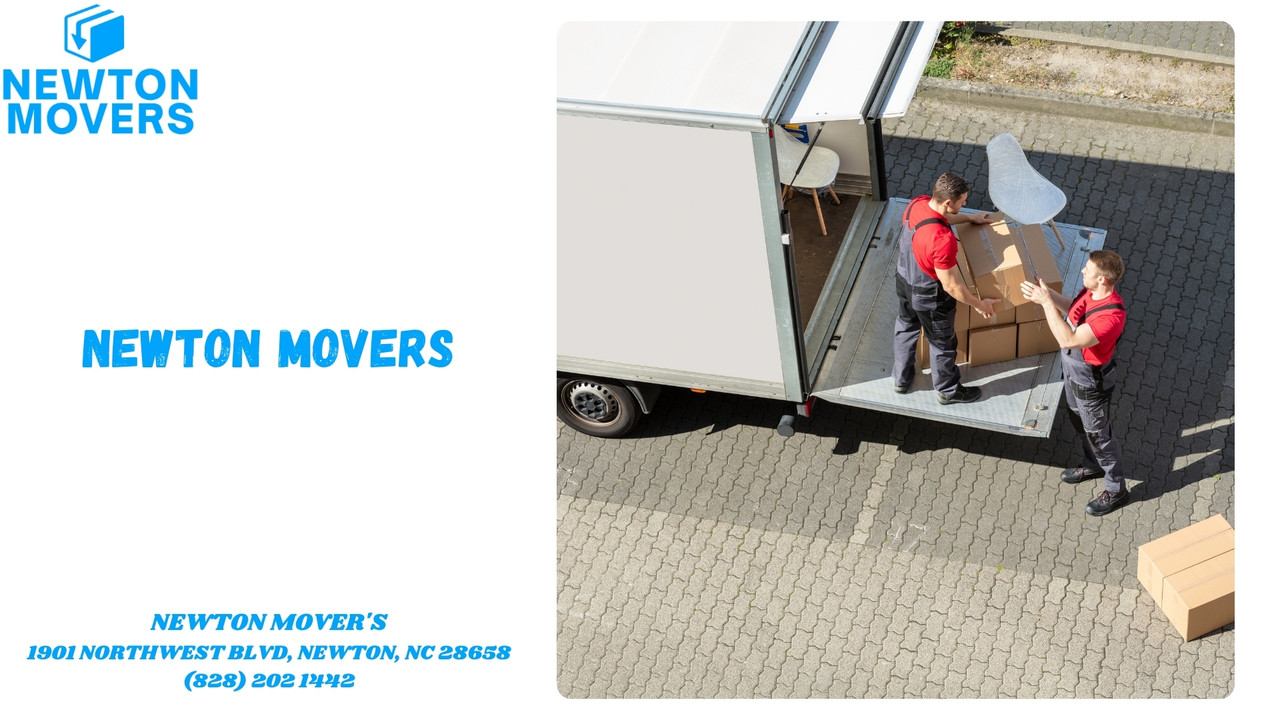
It is helpful to discuss the move in detail before the scheduled date. Information about stairs, elevators, parking, large furniture, fragile items, packing needs, and moving distance can help establish realistic expectations. Clear communication allows the moving team to prepare for the specific conditions of the relocation.
Why Expert Planning Makes a Difference
The difference between a stressful move and an organized relocation often comes down to preparation. When responsibilities are clearly defined and belongings are systematically packed, labeled, transported, and unloaded, there are fewer opportunities for confusion.
Professional planning also helps identify potential obstacles before they become problems. Building restrictions, oversized furniture, limited access, fragile belongings, and tight schedules can all be considered in advance. This gives residents a clearer understanding of what to expect on moving day.
Conclusion
Apartment relocations involve numerous details that can become difficult to manage without proper organization. Packing, furniture handling, building access, transportation, unloading, and final setup all require attention, particularly when the move has a tight schedule.
Newton apartment movers can make residential relocations easier by combining structured planning with careful handling of household belongings. From preparing furniture and organizing boxes to coordinating building access and arranging items at the new residence, professional moving support can reduce physical effort and simplify the overall process. With thoughtful preparation and clear communication, residents can make their transition into a new apartment more efficient and manageable.
Contact Us:
Newton Mover's
1901 Northwest Blvd, Newton, NC 28658
(828) 202 1442